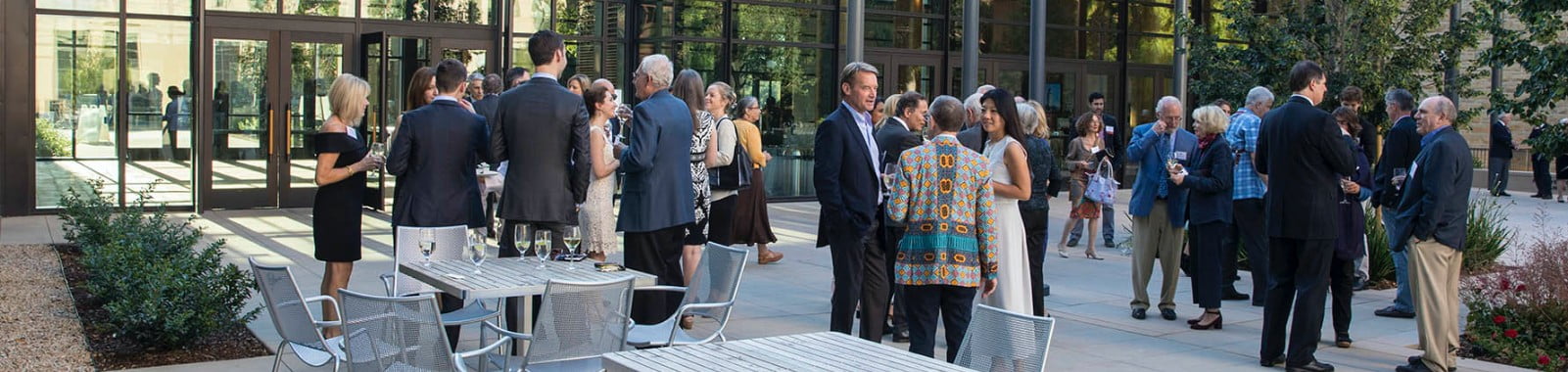


With remote work here to stay as an option for tens of millions of workers around the world, the Hoover Institution and Stanford Institute of Economic Policy Research (SIEPR) co-hosted a conference to show how remote work has lowered car sales volumes in the US and reduced concentrations of hazardous nitrogen dioxide in major cities, but also failed to improve the job prospects of some of the most destitute aspiring workers in the Global South.
The gathering was co-organized by the Hoover Institution and the Stanford Institute for Economic Policy Research (SIEPR).
Scholars brought together by Hoover and Stanford at the conference found a host of novel ways to assess the impacts of working from home, both positive and negative.
| Wednesday, October 28 | ||
|---|---|---|
| Time | Content | Presenters |
|
1:00–1:20 PM |
The Broken Ladder: AI, Remote Work, and Early-Career Hiring (slides) |
|
|
1:20–1:30 PM |
Q&A |
-- |
|
1:30–1:50 PM |
Remote Work and AI Use: Evidence from a Worker Panel (slides) |
|
|
1:50–2:00 PM |
Q&A |
-- |
|
2:00–2:20 PM |
Managing Remote Work |
|
|
2:20–2:30 PM |
Q&A |
-- |
|
|
|
|
|
3:00–3:15 PM |
The Fertility Effects of Remote Work (slides) |
|
|
3:15–3:30 PM |
The Future of Work: Remote Opportunities and Female Labor Force Participation (slides) |
|
|
3:30–3:45 PM |
This Time It's Different: The Role of Women's Employment in Recessions (slides) |
|
|
3:45–4:00 PM |
Uncertainty About Non-Wage Amenities (slides) |
|
|
|
|
|
|
4:30–4:50 PM |
Gender Gap in Callback Rates for Remote Work Preferences (slides) |
|
|
4:50–5:00 PM |
Q&A |
-- |
|
5:00–5:20 PM |
Flexibility for Both Parents: Remote Work and the Evolution of Child Penalties (slides) |
|
|
5:20–5:30 PM |
Q&A |
-- |
|
5:30–5:50 PM |
Workplace Flexibility and the Motherhood Penalty: Evidence from the Diffusion of Remote Work (slides) |
|
|
5:50–6:00 PM |
Q&A |
-- |
|
|
|
|
| Thursday, October 29 | ||
|---|---|---|
| Time | Content | Presenters |
|
9:00–9:20 AM |
Teleworking and the Environment |
|
|
9:20–9:30 AM |
Q&A |
-- |
|
9:30–9:50 AM |
No Commute, No Car? The Lasting Effects of Remote Work on Light Vehicle Sales (slides) |
|
|
9:50–10:00 AM |
Q&A |
-- |
|
10:00–10:20 AM |
Work from Home Reduced Urban Air Pollution (slides) |
|
|
10:20–10:30 AM |
Q&A |
-- |
|
|
|
|
|
10:50–11:10 AM |
Managers and the Organization of Remote Work (slides) |
|
|
11:10–11:20 AM |
Q&A |
-- |
|
11:20–11:40 AM |
Remote Work and the Rise of Performance Pay (slides) |
|
|
11:40–11:50 AM |
Q&A |
-- |
|
11:50 AM – 12:10 PM |
The Impact of Work From Home on Wage Contracts and Firm Productivity (slides) |
|
|
12:10–12:20 PM |
Q&A |
-- |
|
|
|
|
|
1:20–1:35 PM |
||
|
1:35–1:50 PM |
Telework, migration and housing: Evidence from Australia’s pandemic-era housing demand shifts (slides) |
|
|
1:50–2:05 PM |
(slides) |
|
|
|
|
|
|
2:30–2:50 PM |
(slides) |
|
|
2:50–3:00 PM |
Q&A |
-- |
|
3:00–3:20 PM |
Opportunities Without Borders? The Impact of Access to Remote Work for Refugees (slides) |
Author: Lorraine Charles Presented by Abdi Ambari |
|
3:20–3:30 PM |
Q&A |
-- |
|
|
|
|
|
4:00–4:20 PM |
Remote Work Incentives and State Capacity (slides) |
|
|
4:20–4:30 PM |
Q&A |
-- |
|
4:30–4:50 PM |
Remote Work and Domestic Violence (slides) |
|
|
4:50–5:00 PM |
Q&A |
-- |
|
5:00–5:20 PM |
The Rise of Work from Home and its Impact on Job Satisfaction (slides) |
|
|
5:20–5:30 PM |
Q&A |
-- |
|
|
|
|
| Friday, October 30 | ||
|---|---|---|
| Time | Content | Presenters |
|
8:30–8:50 AM |
Work from Home and the Evolution of Cities (slides) |
|
|
8:50–9:00 AM |
Q&A |
-- |
|
9:00–9:20 AM |
Teleworking and Workers’ Careers (slides) |
|
|
9:20–9:30 AM |
Q&A |
-- |
|
9:30–9:50 AM |
How do Workers Learn? Theory and Evidence on the Roots of Lifecycle Human Capital Accumulation (slides) |
|
|
9:50–10:00 AM |
Q&A |
-- |
|
|
|
|
|
10:30–10:50 AM |
Working from Home and the Fragmentation of Work: Evidence on Task Allocation (slides) |
|
|
10:50–11:00 AM |
Q&A |
-- |
|
11:00–11:20 AM |
Remote Work and Labor Market Power (slides) |
|
|
11:20–11:30 AM |
Q&A |
-- |
|
|
|
|