

Hoover Institution (Stanford, CA) — The Hoover Institution has acquired the Markus Wolf Papers, which offer an unparalleled account of the life and career of one of the most consequential intelligence figures of the Cold War.
As a young scholar of the Soviet Union and Eastern Europe, and even as a National Security Council staff member for George H. W. Bush at the end of the Cold War, I would have given anything to have access to these insights and this material. I am grateful that the collection will be available to future scholars in understanding this crucial period in human history. The acquisition and preservation of the vast Wolf archive will facilitate historical analysis that can inform current policy issues and be an indispensable source for scholars for generations to come. —Condoleezza Rice, Tad and Dianne Taube Director of the Hoover Institution, in her foreword to Hoover's translation of The Troika
Markus (Mischa) Wolf was born on January 19, 1923, in Hechingen, Baden-Württemberg, Germany. Markus’s father, Friedrich Wolf, was a medical doctor and a writer. His older brother, Konrad Wolf, became a prominent film director and was elected president of the Academy of Arts in the German Democratic Republic (GDR).
With Friedrich Wolf being a member of the Communist Party of Germany, a vocal social activist, and Jewish, when the Nazi Party came to power in 1933, the Wolf family fled Germany. First seeking refuge in Switzerland, then France, they were eventually offered asylum in the Soviet Union and arrived in Moscow in March 1934.
Markus Wolf received his Soviet citizenship on his 16th birthday in 1939. He entered the Moscow Aviation Institute in 1940 to study aeronautical engineering and was evacuated to Kazakhstan when Hitler’s Wehrmacht attacked the Soviet Union in June 1941. In 1942 he was ordered to join the Communist International (Comintern) school back in the Soviet Union, where he was trained in propaganda and undercover work behind enemy lines.
In 1945 Wolf was sent to work in Germany with the “Ulbricht Group,” which was preparing for the Communist Party to come to power. Returning to Germany he joined the newly established Berliner Rundfunk radio station, where he covered, among other events, the Nuremberg War Crimes Trial. In 1949, with the founding of the GDR, he was appointed First Embassy Counselor at East Germany’s embassy in Moscow.
By 1951, back in East Berlin, Wolf played a key role in building the GDR’s foreign intelligence service (Außenpolitischer Nachrichtendienst/ APN), becoming the head in 1952 at just 29 years old. When the APN was integrated into the Ministry for State Security (MfS), Wolf was appointed chief of the Hauptverwaltung Aufklärung (HVA)—the Main Directorate for Reconnaissance—and became a deputy to Minister Erich Mielke. Under Wolf’s leadership, the HVA grew to include 4,600 full-time staff, 10,000 unofficial collaborators, and 1,500 agents.
For decades, Wolf operated in deep secrecy, earning the nickname "the man without a face." That changed in 1979, when he was identified in a photograph taken in Stockholm by the defector Werner Stiller, a revelation that made headlines in Der Spiegel and exposed his identity to the West. Wolf retired from active service in 1986 and turned to writing. He took on the unfinished manuscript of “Die Troika. Geschichte eines nichtgedrehten Films” (“The Troika: Story of an Unmade Film”), left behind by his brother Konrad, who had died in 1982. Published in 1989 by Aufbau-Verlag, the book surprised many due to Wolf’s self-critical reflections. He expressed support for a reformed socialism and acknowledged his share of responsibility for the failures of the GDR regime.
That same year, on November 4, Markus Wolf addressed a massive protest rally at Berlin’s Alexanderplatz, calling for change within the ruling Socialist Unity Party of Germany (SED). He was booed by many in the crowd, a sign of public frustration with the old guard. Months earlier, in June, West Germany had issued a warrant for his arrest. In September 1990, he fled with his third wife, Andrea, traveling through Czechoslovakia and Austria before reaching Moscow.
After a year in exile, Wolf returned to the newly unified Germany. In 1993, he was tried for treason and bribery and initially sentenced to six years in prison. However, the Federal Constitutional Court overturned the verdict, ruling that HVA officers acting under GDR law could not be retroactively prosecuted. A separate trial in 1997 resulted in a two-year suspended sentence for unlawful detention, coercion, and bodily harm in four cases.
Markus Wolf died in Berlin on November 9, 2006.
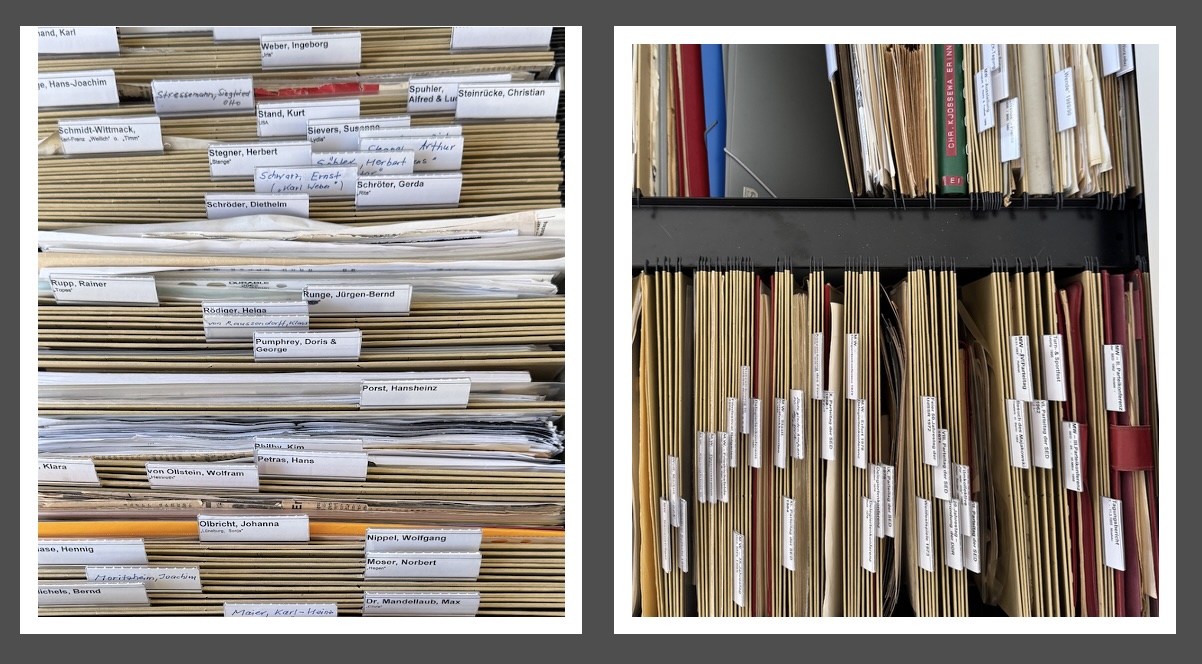
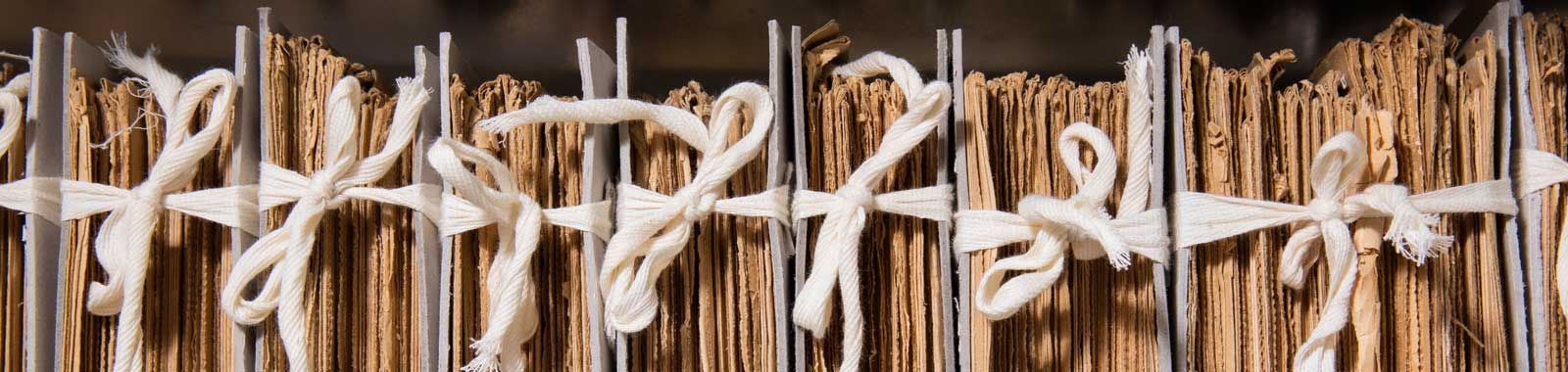
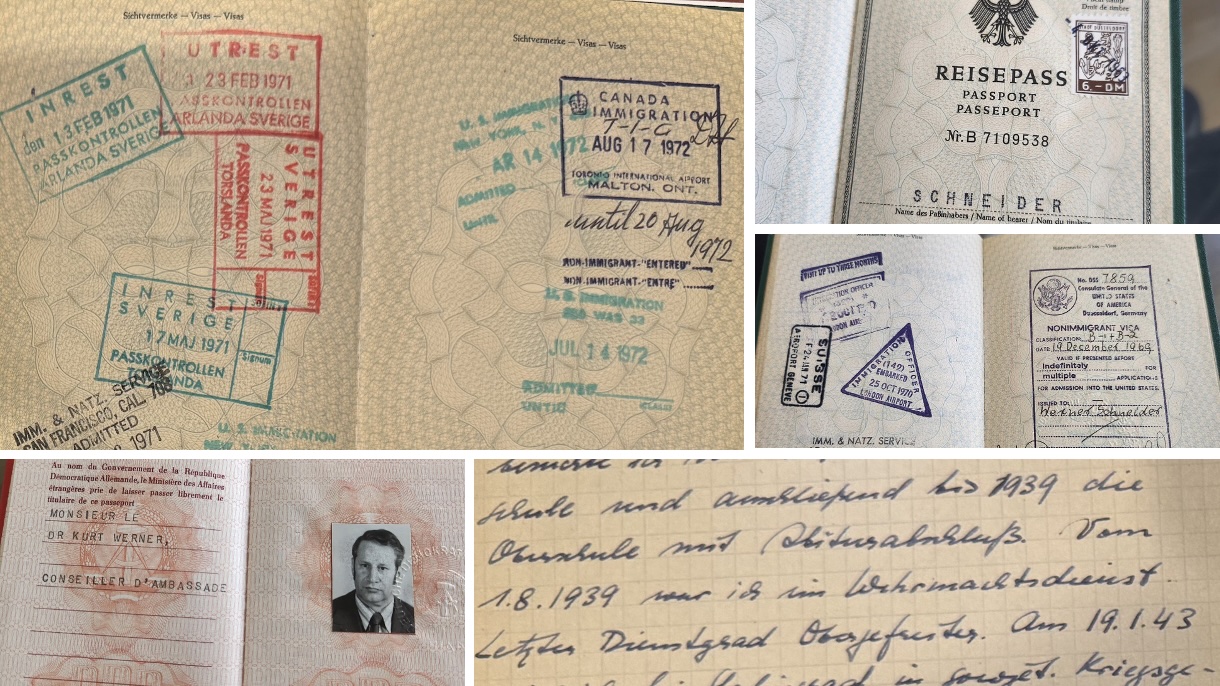
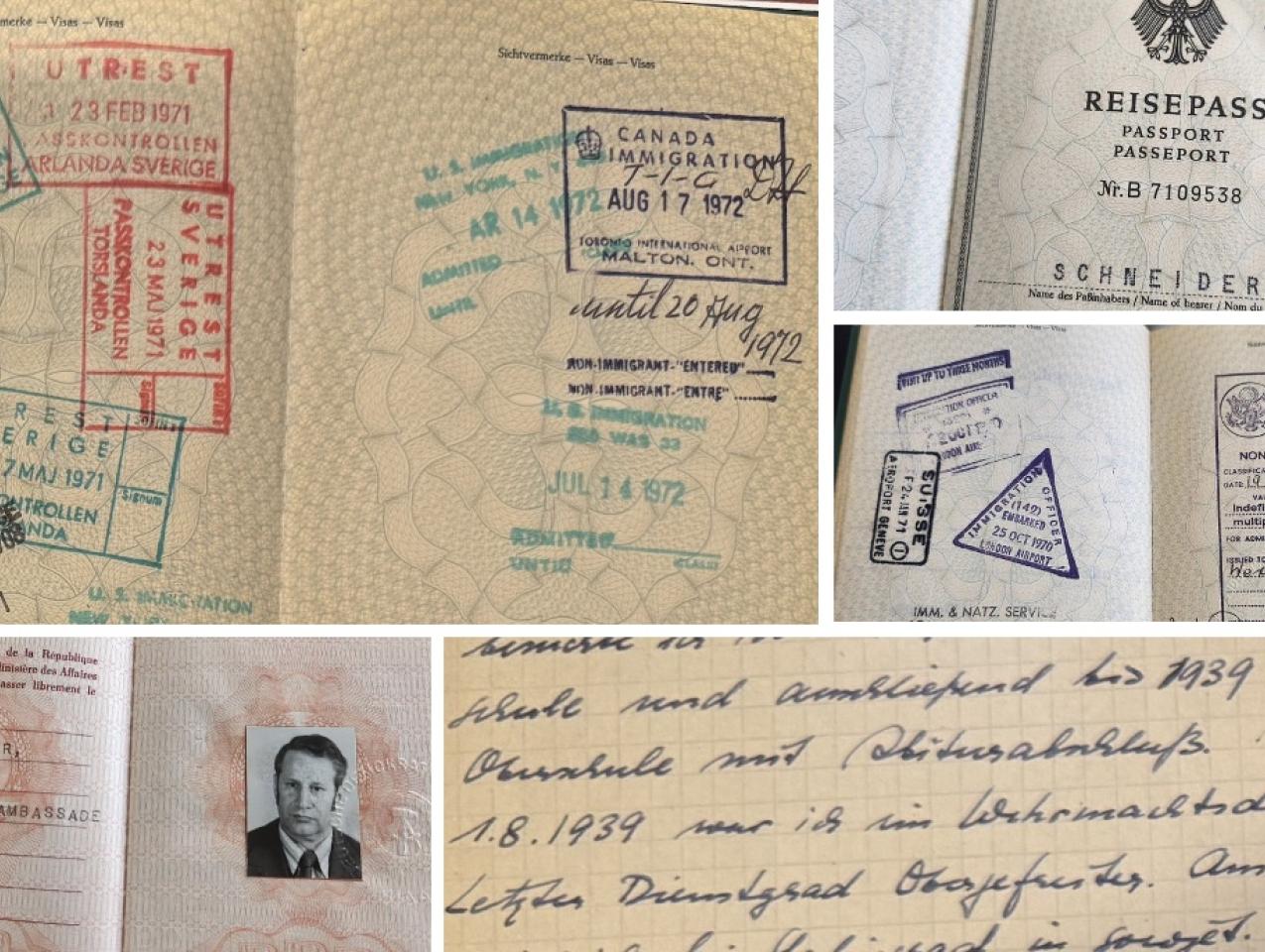
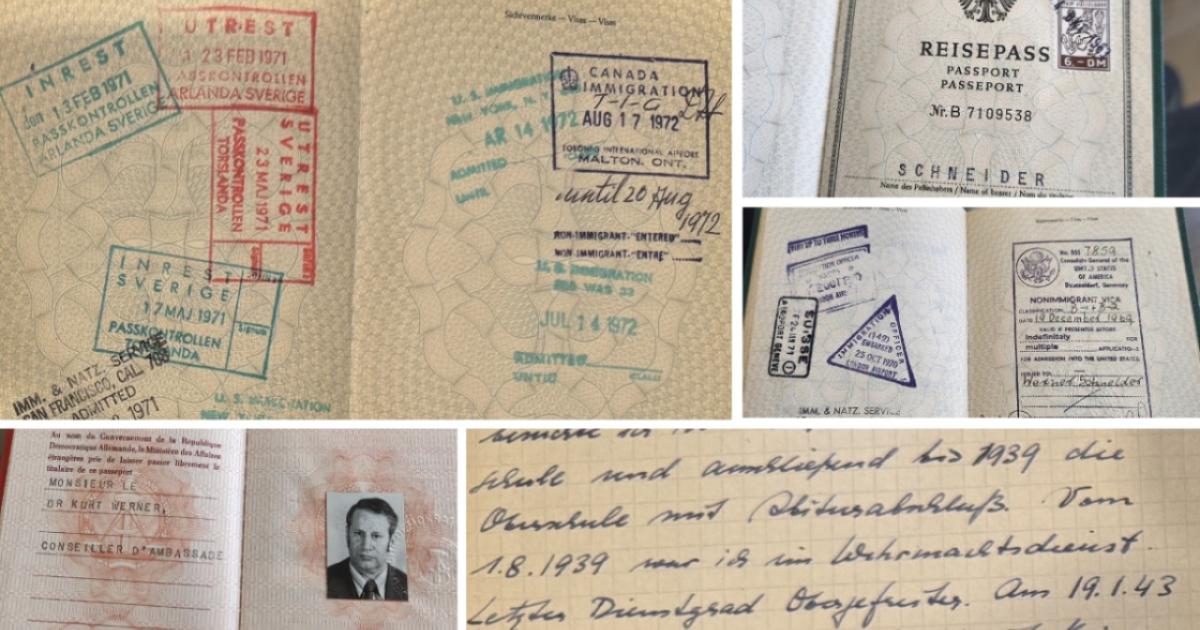
The Markus J. Wolf Papers document his life as the prominent East German intelligence official and the broader history of the Wolf family, from the period before 1933 through the family’s exile in the Soviet Union and subsequent decades. The collection offers especially rich documentation of Wolf’s years in Soviet exile, including his training at the Comintern school in Kushnarenkovo, Bashkiria. It also contains extensive materials relating to his coverage of the International Military Tribunal at Nuremberg (1945–1946), including Wolf’s notes and comments on the proceedings as well as photographs taken in the courtroom. The substantial body of materials concerning Wolf’s life and professional career provides an important resource for the study of the East German foreign intelligence service, which he led for several decades and which was widely regarded as one of the most effective intelligence organizations of the Cold War.
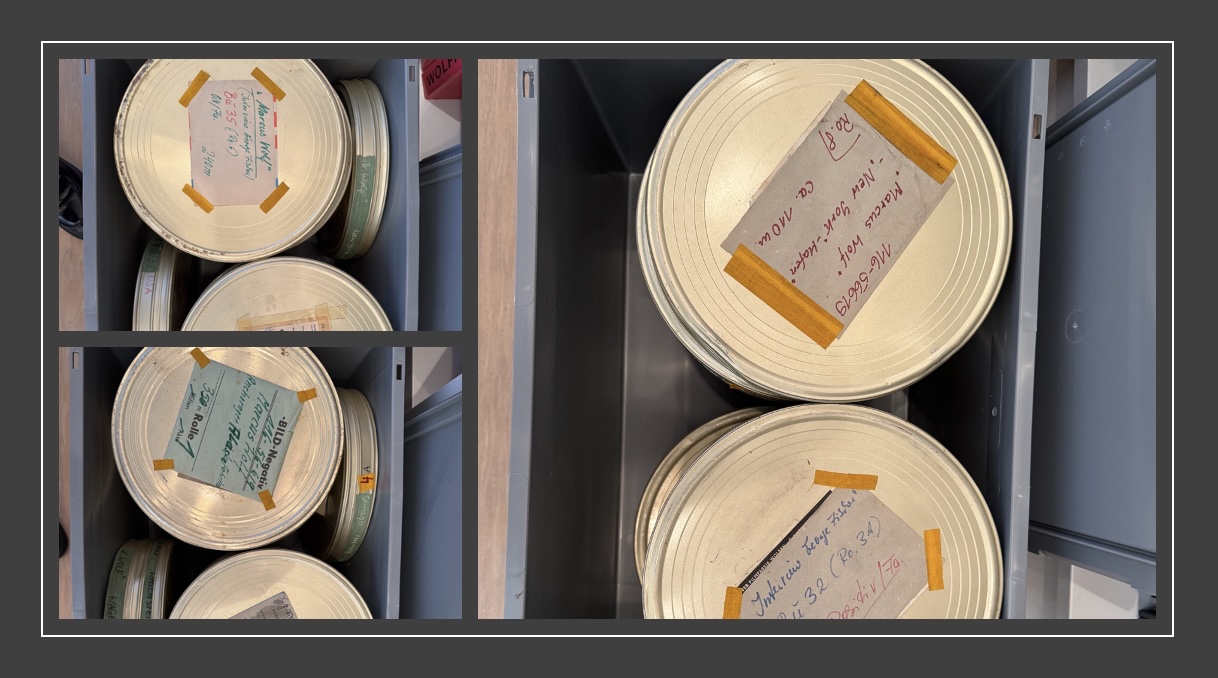
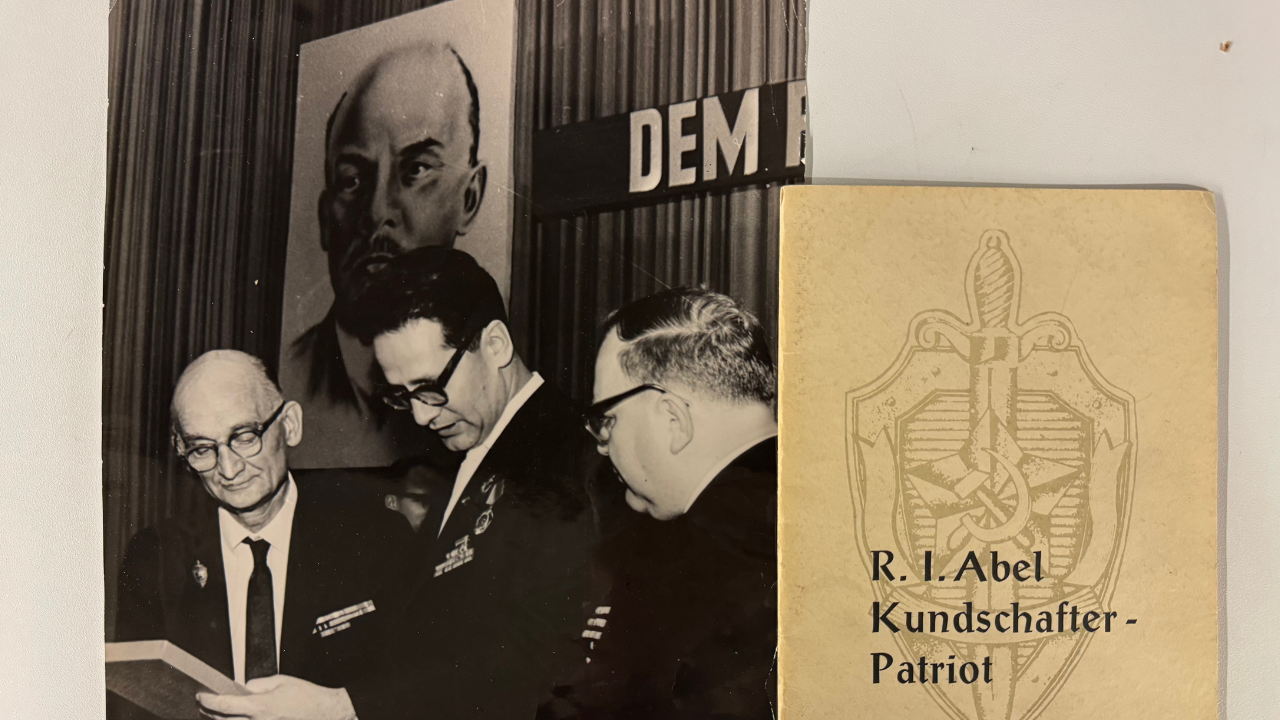
While records of the Ministry for State Security’s domestic surveillance and repression under the Stasi became publicly accessible in Germany following reunification, significant portions of its foreign intelligence records were systematically destroyed in 1989–1990. Wolf’s personal papers therefore offer a rare and valuable perspective on the history, operations, and international networks of East German foreign intelligence during the Cold War. The archive also includes an extensive correspondence collection, comprising letters exchanged with a wide range of individuals from throughout the various phases of Wolf’s life. A comprehensive photographic archive contains original photographs of figures such as Nikita Khrushchev, Erich Honecker, Erich Mielke, intelligence agents, party and intelligence meetings, trials, and book presentations. Of particular note are unique photograph albums containing handwritten inscriptions by prominent individuals. Also included is a distinctive collection relating to intelligence agents, with correspondence, photographs, press clippings, and other documentation. The papers further preserve dozens of manuscript drafts and research materials for Wolf’s published works, as well as a large body of interviews providing additional insight into his life, career, and reflections on twentieth-century history.
The Markus Wolf Collection offers a unique window into the world of international communism, Cold War espionage and post-Cold War politics through the lens of East Germany’s former spymaster. This is an exceedingly important contribution to the archival database on key turning points and conflicts.”—Christian F. Ostermann, Hoover Visiting Fellow and author of a forthcoming biography of Markus Wolf
For coverage opportunities, contact Lauren Covetta, lcovetta@stanford.edu.