






The Trump administration this week announced additional sanctions targeting the Iranian regime, an economic stranglehold that is intended to force Tehran to open the Strait of Hormuz and negotiate the future status of its nuclear program. The sanctions are extensive: targeting Iran’s remaining financial lifelines such as cryptocurrency trading, freezing foreign exchange networks, and threatening penalties against anyone aiding the regime’s oil smuggling or digital asset channels.
But the sanctions have one major gap—shutting down Iranian oil exports requires either the willing cooperation of China, Iran’s largest oil consumer, or secondary sanctions on Chinese banks and corporations that would be sure to cause major friction with Chinese President Xi Jinping just a month before a scheduled summit with President Trump. Absent such secondary sanctions, the Iranian economy is likely to be further degraded, but will not collapse.
This dynamic echoes a recurring theme in modern military and economic history: the inherent limitation of using economic coercion as a substitute for complete strategic alignment. One historical parallel is the Continental System enacted by Napoleon Bonaparte in 1806. Through the Berlin and Milan Decrees, Napoleon sought to wage economic warfare against Great Britain by prohibiting continental Europe from trading with the British Isles. Just as Washington is currently hesitant to trigger a diplomatic crisis with Beijing over Chinese refiners buying Iranian crude, Napoleon’s continental allies—and his own occupied territories—found the temptation of illicit British goods too great to resist. Smuggling networks flourished, and vital enforcement mechanisms failed. Because the blockade lacked universal compliance, it failed to break Britain’s economy and instead dragged Napoleon into disastrous military overextensions, such as the Peninsular War and the invasion of Russia, to enforce compliance.
More recently, UN sanctions against Iraq after the 1991 Gulf War also failed to achieve their primary purpose. Although comprehensive trade bans and international monitoring crippled the formal Iraqi economy, Saddam Hussein’s regime successfully adapted by cultivating illicit oil-smuggling corridors through neighboring states and exploiting loopholes. Rather than sparking a collapse that forced the regime to capitulate on its strategic ambitions, the embargo largely punished the civilian populace while the elite insulated themselves through black markets— ultimately requiring direct military intervention a decade later to break a deadlock that economic coercion could not.
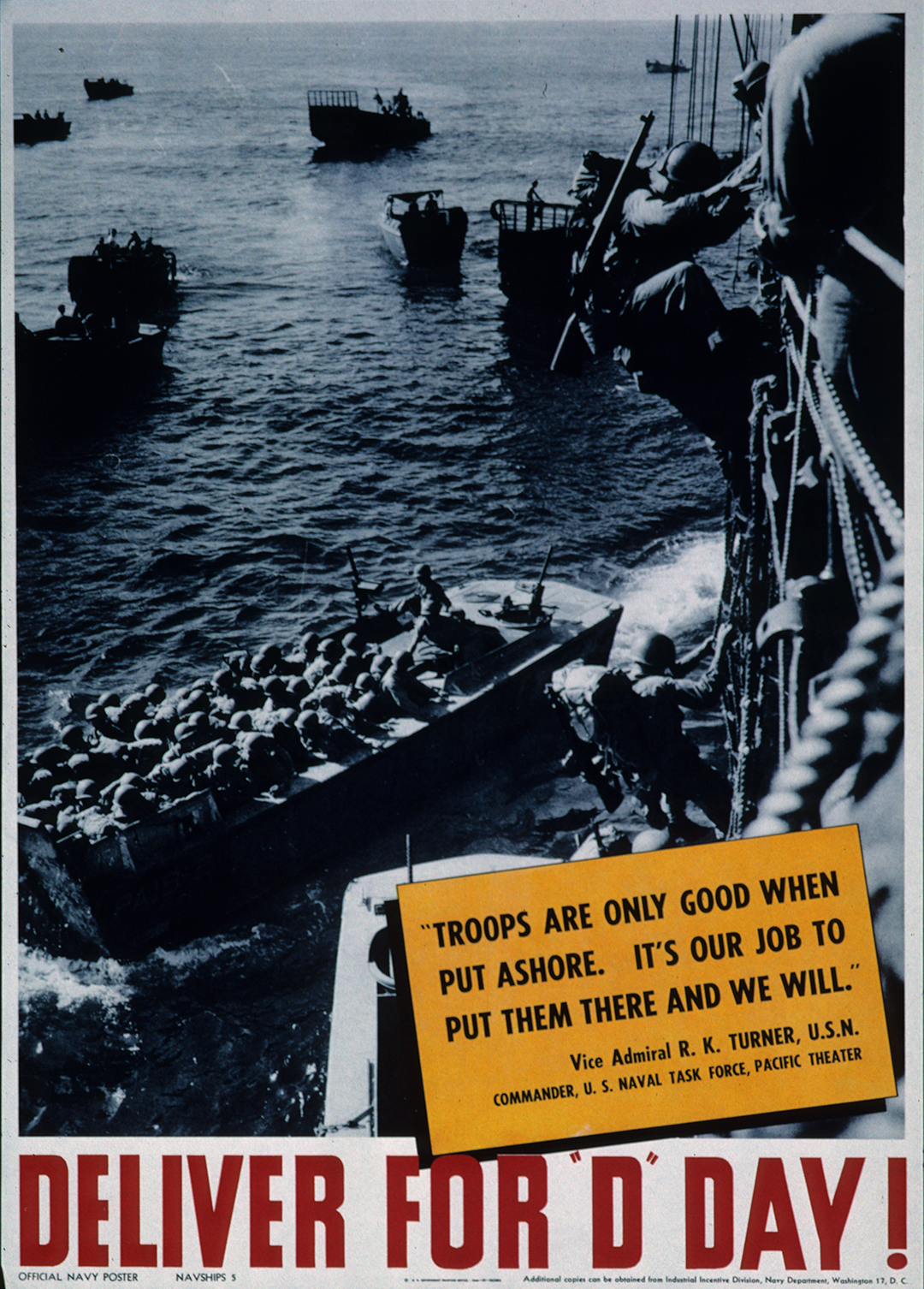
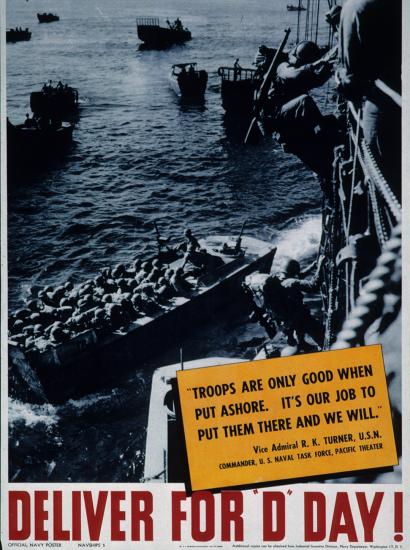
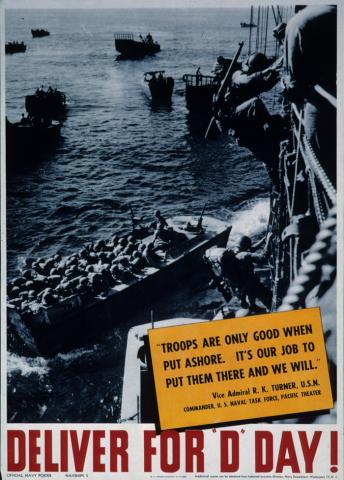
Ultimately, history suggests that grand pronouncements of economic warfare—whether labeled a Continental System or an “economic D-Day”—frequently founder on the rock of realpolitik. Without the airtight cooperation of major global powers like China to plug massive leakages in the sanctions regime, Tehran will likely adapt through black-market networks, front companies, and state resilience. Economic pressure can induce severe hardship, but without total enforcement, it rarely compels a sovereign regime to unconditionally capitulate on its core strategic ambitions.

