







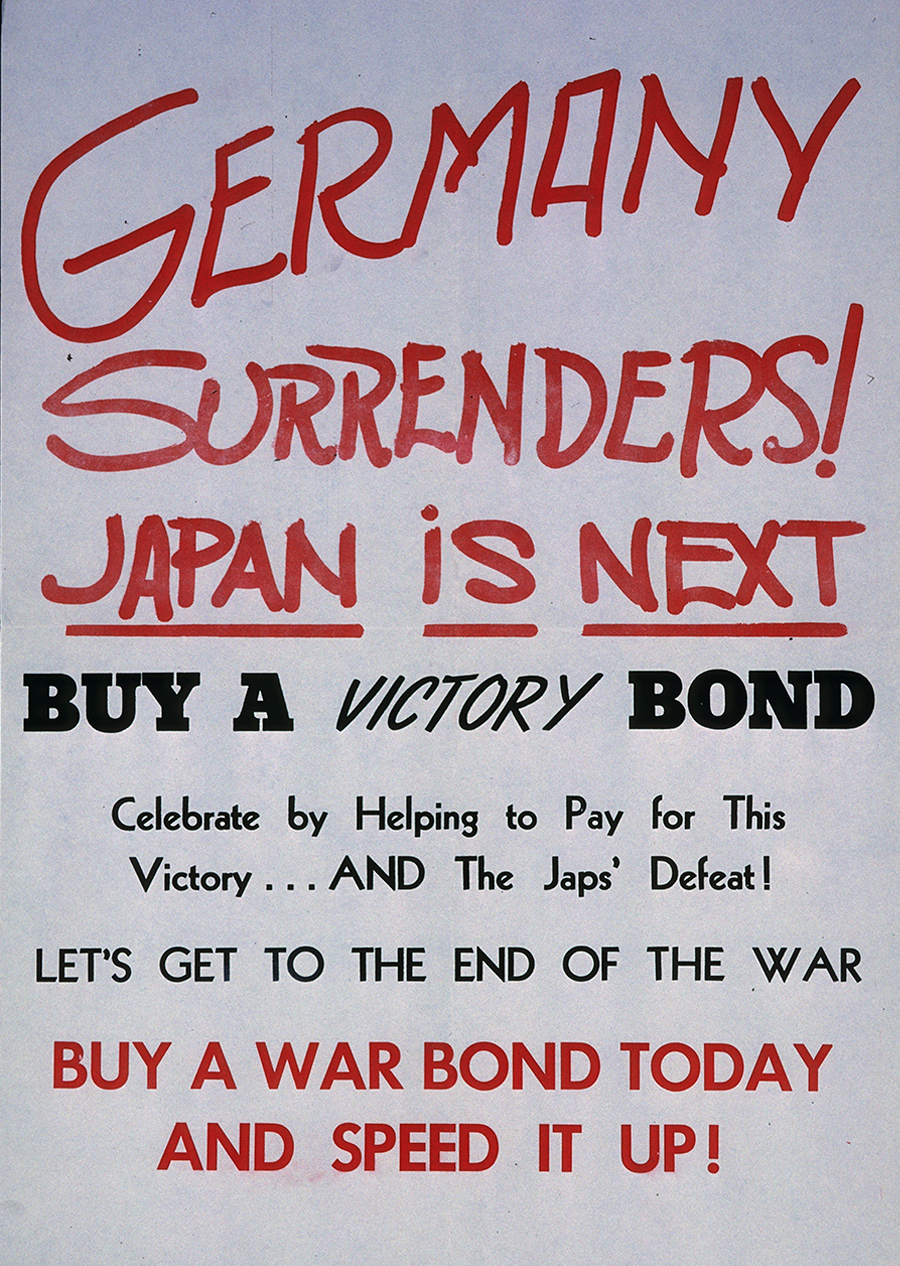
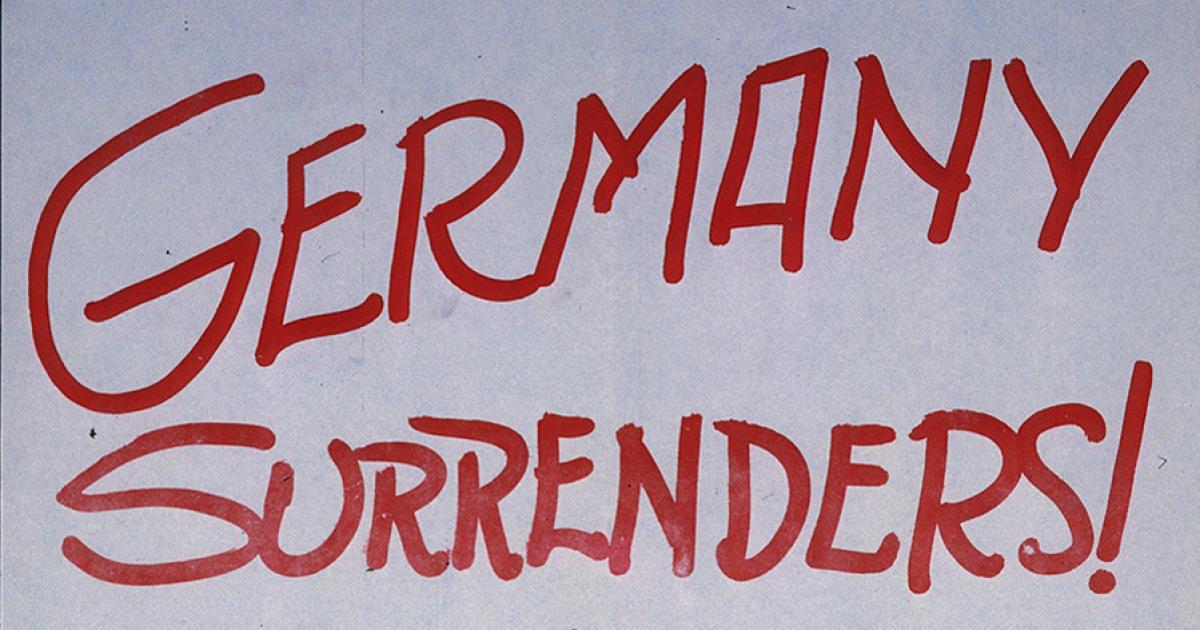
Although Americans remember September 2, 1945, as the day the representatives of the Japanese government ended World War II by signing the surrender declaration aboard the USS Missouri in Tokyo Bay, Emperor Hirohito had announced the Japanese surrender nearly two weeks earlier. Even after the fall of Okinawa and the fire-bombing of dozens of Japanese cities, diehards wanted to fight on, willing to sacrifice millions of Japanese civilians for their misguided sense of honor. The Emperor wisely thought otherwise. In a meeting of the Supreme Council for the Direction of the War on August 9-10 (following the atomic bombings of Hiroshima and Nagasaki and the Soviet entry into the Pacific War via an invasion of Manchuria), Hirohito broke a 3-3 tie to force Japan to surrender.
It almost did not come to pass. On August 14 Hirohito recorded an Imperial rescript announcing to the Japanese that they would have to “bear the unbearable.” That night a group of junior officers attempted to steal the recordings and topple the government in a coup, but they were thwarted when top military commanders refused to back them. War Minister Korechika Anami—who refused to support the rebels—committed ritual suicide the next morning, while General Shizuichi Tanaka put down the uprising at the palace. The rescript aired on Wednesday, August 15, the first time the vast majority of Japanese had heard the Emperor’s voice.
On the evening of Tuesday, August 14, 1945 (a day earlier due to the International Date Line), Americans across the country learned that World War II was finally over when President Harry S. Truman announced at a 7:00 p.m. White House press conference that Japan had accepted unconditional surrender. Within seconds, news flash broadcasts interrupted radio programming, factory whistles screamed, church bells pealed, and millions of ecstatic citizens poured out of their homes and workplaces into the streets. Spontaneous celebrations erupted in cities nationwide, most famously in New York City’s Times Square, where an estimated two million people gathered to dance, embrace, and shower the pavement with confetti improvised from shredded phone books.
It was amid this chaotic euphoria that photojournalist Alfred Eisenstaedt captured his iconic LIFE magazine photograph of an exuberant U.S. Navy sailor grabbing and kissing a dental assistant in a white nurse’s uniform—an image that instantly became the enduring symbol of the nation’s V-J Day celebrations. After nearly four years of wartime rationing, heavy casualties, and anxiety, the country erupted in an overwhelming wave of collective relief and unrestrained joy.
The World War II generation, witnesses to these historic events, has now largely passed from the scene. As Americans today argue about what divides us, we should also remember how we were once largely united in a crusade for freedom and in defense of the values that makes the United States exceptional among nations.

